
Gibson Guitar Working with Rainforest Alliance on Wood Sourcing Legality

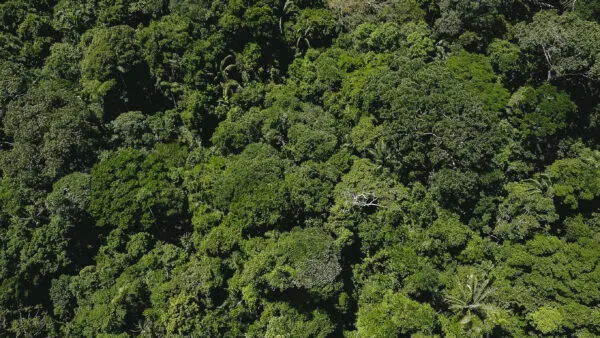
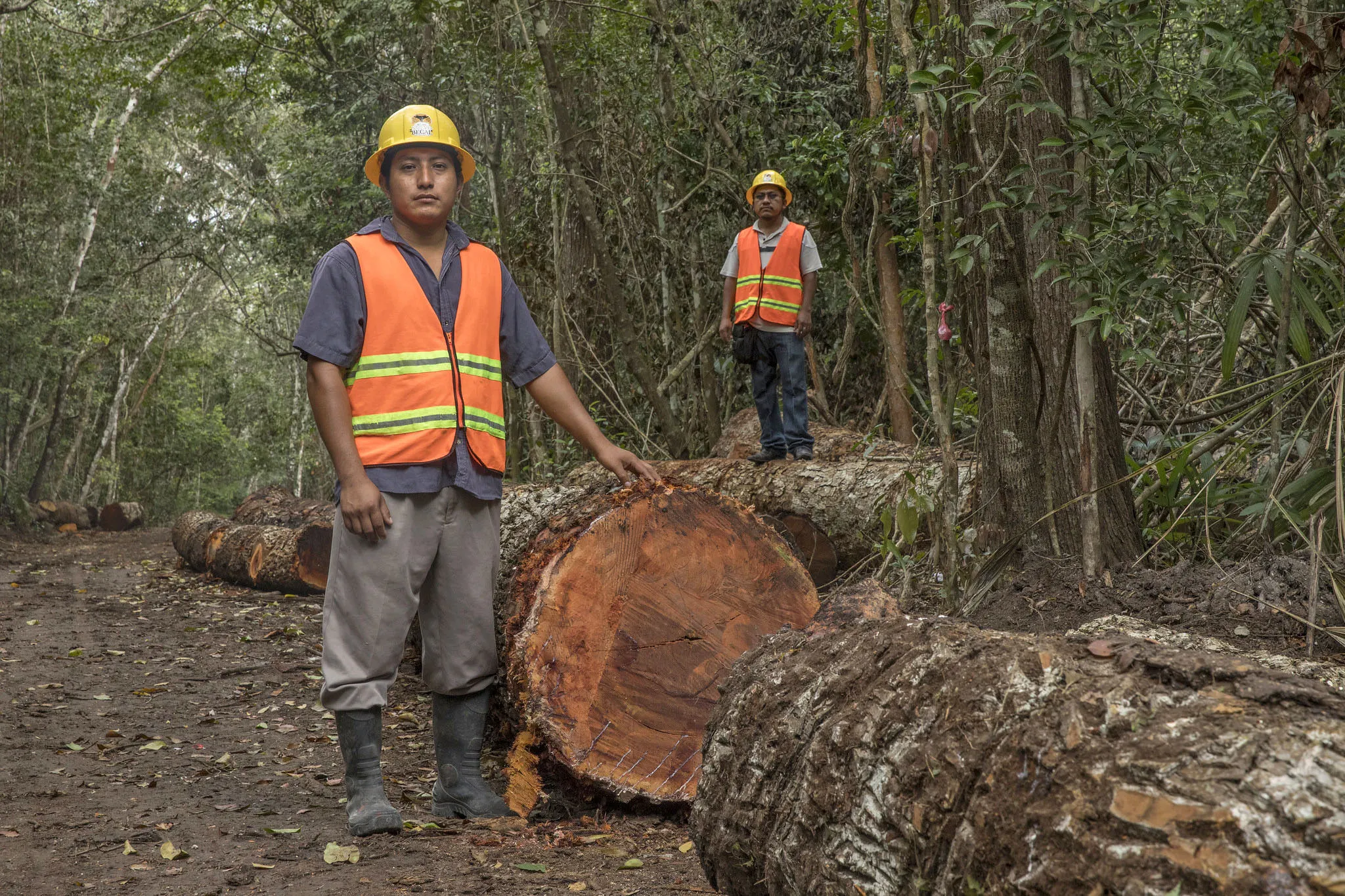
The Rainforest Alliance has worked with Gibson Guitar Corporation for 15 years to help the company source an increasing amount of its wood supplies from sustainably managed forests, including two reserves in Honduras and Guatemala, where the governments have granted concessions to forest communities allowing them to market sustainably harvested wood. As a result, local residents selling mahogany to Gibson have dramatically improved their livelihoods while conserving the forest around them for future generations and wildlife.

Gibson has been in the news in relation to Lacey Act enforcement issues, first in late 2009, and again in August 2011. In August 2011 Gibson facilities in Nashville and Memphis, Tennessee, were investigated by the US Fish & Wildlife Service for allegedly violating the Lacey Act, a law requiring that all wood products and plants imported into the United States come from legal sources.

We understand that during the 2009 enforcement action US government officials found rosewood from Madagascar, and the investigation on its legality remains pending. We also understand that during the 2011 enforcement action US government officials found rosewood and ebony from India. The Rainforest Alliance did no work with Gibson in connection with any of the wood found by US government officials. The only forestry certification services we have provided to Gibson relate to three mills in the US owned by the company that we certified as meeting Forest Stewardship Council (FSC) chain-of-custody standards. The Rainforest Alliance also does chain-of-custody audits of several of Gibson’s suppliers in the US, but not the operations involved in providing wood supply related to the Lacey Act investigations in Madagascar or India.

The Rainforest Alliance strongly supports the Lacey Act. We are a member of the Forest Legality Alliance, and we are a pioneer for forestry certification with the founding of our certification program in 1989. We helped to found the FSC in 1993, and we are a leading certifying body to FSC standards. In addition, the Rainforest Alliance verifies legality of timber and non-timber forest products, analyzes supply chains for risk and designs and implements procurement policies. The Rainforest Alliance is also currently leading an initiative to standardize forest products legality verification standards around the globe, working in collaboration with other non-profit, for-profit and governmental organizations.

Gibson Chairman and CEO Henry Juszkiewicz formerly served on the Rainforest Alliance’s board of directors, but stepped down in 2009 after the first federal investigation of Gibson commenced.

Gibson has production facilities located in the US and China, including longstanding legacy facilities in Nashville, Tennessee, and Bozeman, Montana. The wood species it uses include maple, mahogany, rosewood, ebony, Sitka spruce, nyatoh and various others, including species originating in countries such as Guatemala, Honduras, India, Indonesia, Mexico and the US.

Gibson has long sought to ensure that the company's entire supply chain comes from legal sources and has maintained a commitment to eventually sourcing entirely from FSC-certified forests. The Lacey Act enforcement actions have increased the urgency of these efforts, while at the same time sending a very instructive note: securing FSC-certified supply is critical for Gibson, but also must be accompanied by a clear commitment to eliminating any volume, no matter how small, of illegal wood that may contaminate its supply chain. For many years the Rainforest Alliance has strongly urged buyers and sellers of wood products to use independent, third-party certification or verification if wood comes from a high-risk country or company, or if the wood species itself is high-risk.

Last year Gibson strengthened its commitment and took further steps to improve sustainability in its wood supply chain, with assistance from the Rainforest Alliance on some of these efforts.

The sustainable sourcing initiative that Gibson developed with our help has six elements:

  • In 2010 Gibson established a baseline of its entire supply chain to determine which woods come from known or unknown, legally verified or sustainably certified sources, with 100 percent FSC-certified as the goal.
  • Gibson is working to reduce risk in its supply chain by identifying potentially illegal or unsustainable sources.  It is now requiring third-party verification or certification of legality, such as documented legal sources, for any wood species, supplier or source country where illegality is a known risk.
  • Gibson’s sourcing of FSC-certified or legally verified wood and progress against the baseline are being validated by the Rainforest Alliance and formally reviewed by Gibson's Chairman and CEO each year.
  • Gibson continues to invest in the sustainability of its supply chain, providing support to community, indigenous and small and medium-sized enterprises working toward FSC certification.
  • The company is also looking at alternative sources to reduce the need for rare woods, including composite materials, recycled woods and sourcing alternative species from FSC-certified forests whenever possible.
  • Gibson's Chairman and CEO has appointed a staff person to lead Gibson's wood sourcing initiatives globally, as well as staff within each division and mill, who are accountable for sourcing tracking and improvements.

Working with the Rainforest Alliance, Gibson has recently made progress on sustainable sourcing:

  • As of May 2011, a little over 50 percent of Gibson USA supply was from FSC-certified sources, and increasing amounts of supply came from either third party-verified “FSC Controlled Wood” or legally verified sources. Gibson supply managers have visited Guatemala, Indonesia, Mexicoand areas of the US and Canada seeking to expand FSC-certified supply.
  • Gibson is testing new composite materials and alternative species for use in electric and acoustic guitar fret boards, the guitar component often made from rosewood and ebony.
  • Gibson is supporting independent verification of legality for wood sources in several countries, including the US and Peru.
  • The Gibson Foundation continues its commitment to fund training and provide support to indigenous-owned and small enterprises in Guatemala, Honduras, Nicaragua, Peru and Bolivia, which is helping to build FSC supply and providing increased incomes to forest-dependent communities.

September 2011